I SAID WHAT?…Standardized Testing; My Case for STILL Opting In

LifeSavers

Brace yourselves.

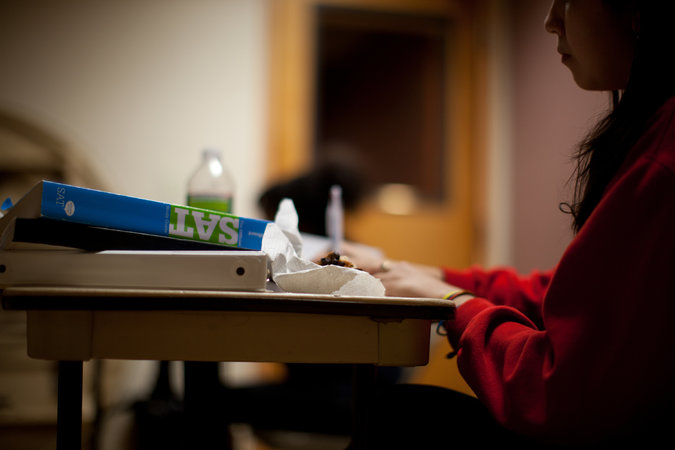
The 3rd-8th grade English Language Arts (ELA) and Math Common Core standardized tests are coming. You know the ones; the high-stake assessments pitched by politicians as guaranteed to close the achievement gap, ensure children are college and career ready, and monitor the health of school districts.

Ten years ago, as a fourth grade teacher, I had the experience of administering and grading the state ELA and Math tests under No Child Left Behind in the same school my children attend today.

Last April, my then third grader took the Common Core version for the first time. Many of his peers and an estimated 20% of children statewide did not. Their parents “Opted Out.”

Those who joined the Opt Out Movement poignantly expressed concern citing that the current, mandated state assessments cripple public education, compromise the professionalism of teachers, steer time away from creative, meaningful curriculum, suck the joy from learning, and kill young spirits with its developmentally and grade level inappropriate language and length.

Despite the fact that I agree with these points, am a supporter of education historian and activist Diane Ravitch’s platform, and believe the assessments in their existing form offer no diagnostic value for teacher or student,

I Opted In.

It wasn’t because I’m worried about the loss of district funding or the perceived reputation of my son’s school, nor was it because I’m a data hungry mama.

Truthfully, if I felt his learning needs weren’t being addressed, I may not have exposed him to a testing environment that requires nine year olds to sit several hours over a 3-day period for two consecutive weeks. Furthermore, if my school district had Opted Out, I would have obliged.

As a public school student, my son is automatically a pawn in the conundrum of educational reform; ammunition in a grown up battle.

But he doesn’t know it. And that’s good.

He is fortunate to attend a child-centered school that takes pride in their programs.  Inside the classroom, teachers do their best to thoughtfully integrate test prep into an already rich curriculum. Since state testing commenced some 15 years ago, the school district has stood behind their mantra; standardized assessments are a snapshot in a child’s day.

Buzz does not exist.

Outside the school, administrators publically voice concern about high-stakes testing.  Board of Education members travel to the state capital to fight for school district rights and have been known to stand firm outside the Chairman of Education Committee’s office until the senator answers their questions.

Advocacy is a priority.

Out of respect for my son’s innocence, love for his teacher, our leaders’ efforts, and in keeping with the belief that anxiety breeds anxiety, I don’t express my testing distaste at home and I don’t initiate conversation with my child about the “big state test.”

He knows it’s happening.

Had I Opted Out, my son would not only know it is happening, but also be acutely aware that he’s stuck in the middle of a movement that effects the quality of his education. And in my opinion, a nine year old does not need this additional burden thrown upon his shoulders.

So like the time he fell off the playground swing and looked to my reaction for his, I bit my lip and played it cool as the test date approached.

As such, when he came home after the first day of the English Language Arts test last spring, this is what he told me…

“Today was the big state test. The teacher put our desks in a line, the old-fashioned way so we could have space. She gave us gum to help us focus. I didn’t like the flavor so I didn’t have any. We took the test for about an hour. Then we got two recesses. During one of them, I played Knock Out and took second place against a 4th grader. We don’t have any homework; I have no idea why, but we don’t. It was a great day. Can I have a snack?”

My response? “Good for you.” I did not ask test specifics, how he worked, whether or not he finished, or how he performed. “Yes, help yourself.”

The morning of the Math test a week later, his primary concern was to make sure he packed orange flavored Life Savers in his backpack. “Mom, sucking on them helps me focus.  Plus I like to trade them with friends.”

“That makes sense,” I said.

The 2016 standardized tests are being administered in less than one month. Now what?

I don’t believe the elimination of standardized testing is realistic and the likelihood that I will Opt Out my child this year is slim. But I do believe a compromise is necessary.

Juan Gonzalez of the New York Daily News said, “Back in 2009, the old state tests showed 77% of students statewide were proficient in English. The next year, the pass level was raised and the proficiency percentage dropped to 57%. A few years later, Albany introduced Common Core and the level plummeted even more; to 31% statewide. Same children. Same teachers. Different test.”

Step one: Ensure the learning standards are based on principles of childhood development.

Step two: Reconstruct the test.

Developmentally appropriate standards and tests are the foundation for a balanced educational landscape where learning is more joyful than not and standardized assessments play a small but meaningful role in shaping a young person’s school experience.

The Opt Out movement and those who support it are effecting change, but there is much work to be done. So instead of having a casual conversation with a board member or reading education experts’ blog posts, I need to get proactive and stand alongside them.

But I’ll be sure to leave my son home; to play Knock Out, sample Life Savers, and enjoy his final year of elementary school because that’s his job.

Advocating for a sensible public school education is mine.

Take Away One

Courtesy Little Rock Family

Courtesy Little Rock Family

ML_published_badge_red_Mamalode

“I hate Thursdays,” Bubbe barked.  “I wake up early for band, go to school, spend two more hours in religious school, come home, and do homework.  I need a break.”

“You’re right,” I sighed.  “But education is not an option.  Band is a commitment and you need to finish what you started.  Please put your clarinet away, get one homework sheet done, and pack a snack for Hebrew school.  We’re leaving in twenty minutes.”

Later that evening, I scrolled through registration emails for the upcoming season’s optional extracurricular activities:

Baseball: League 1 and/or League 2.  Travel team.
Tennis, soccer, swim, lacrosse
Martial Arts
CrossFit Kids
Lego Engineering
Hip Hop
Drama, drawing, Junior Chef…

and thought about the last line of my response to Vicki Abeles’s New York Times’ Sunday Review piece, “Is School Making our Children Ill?”

Let’s resolve to take a step back and give children back their childhood.

In my Letter to the Editor, I complimented the Irvington High School community in Fremont, California for taking steps to rescue students from their high-stakes childhoods by limiting homework requirements and encouraged parents of young learners like me and those of my students to be brave, take ownership and embrace such efforts by curtailing after-school and evening enrichment in an effort to preserve the social, emotional and physical health of our children.

I often fantasize about what might happen if children, from toddlers to teenagers who live in a community laden with a multitude of well intended non-school related activities gave them up.

Would the children be lost; bored and confused by the lack of structure?  At first, until they learned how to organize and occupy themselves.

Would they stare at screens instead of reaching out to each other?  Probably, until an observant grown up or precocious peer stepped in.

Would their resumes suffer, leaving them unable to prosper in a society fixated on success, competition and career?  On the contrary; extra time and space would give them a chance to practice the socialization, thinking, and problem solving skills needed to thrive later in life.

After the initial shock wore off, I think the children would forget how busy their lives once were.

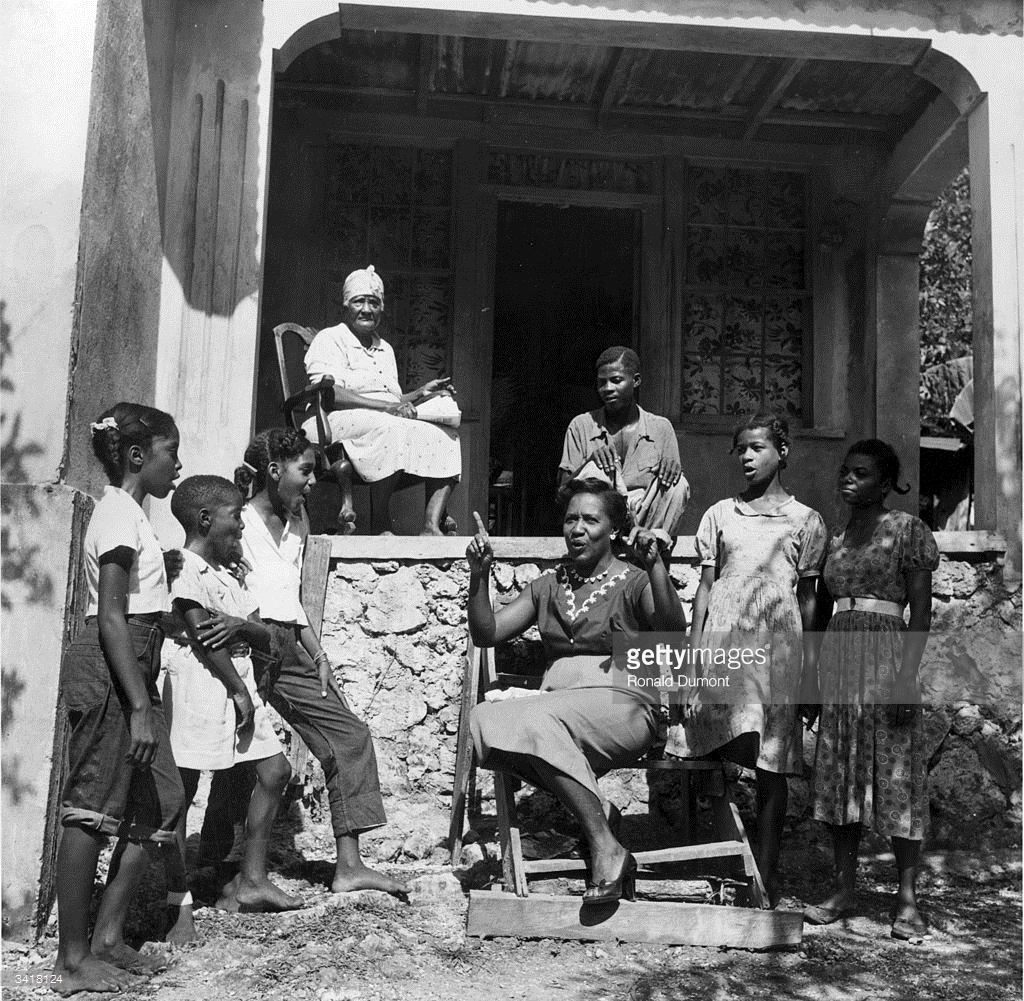
I imagine they would pack the playgrounds and

Courtesy of Getty Images

Courtesy of Getty Images

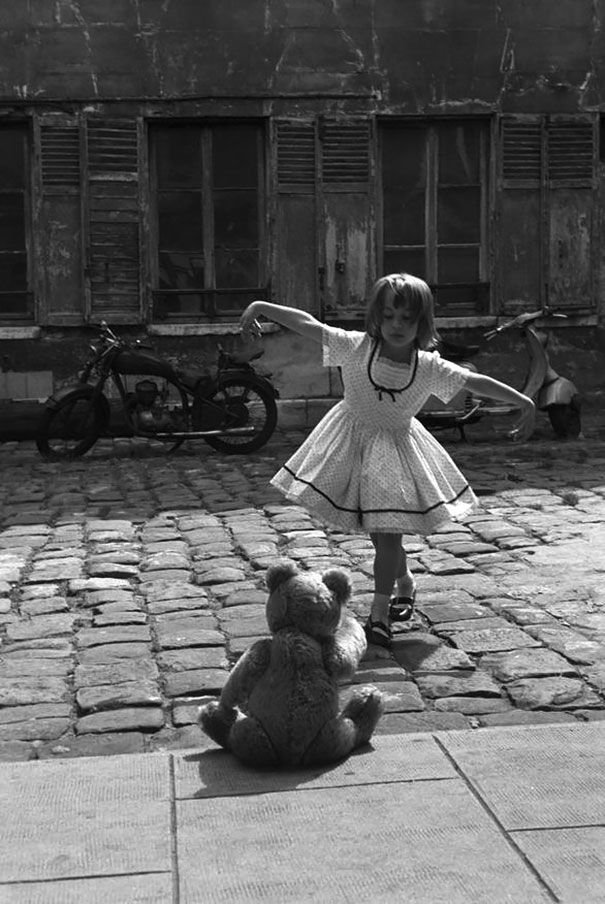
pick up the sport they previously raced off to play with whoever was nearby. Put on shows,

Courtesy Bored Panda

Courtesy Bored Panda

hang from trees,

Paul McDonough Courtesy Sasha Wolf Gallery, NYC

Paul McDonough Courtesy Sasha Wolf Gallery, NYC

visit with friends,

Coney Island Teenagers Harold Feinstein

Coney Island Teenagers Harold Feinstein

relax with family,

Courtesy Getty Images

Courtesy Getty Images

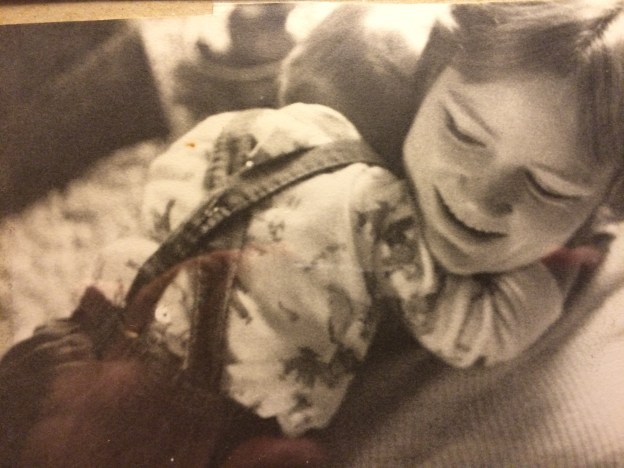
get more sleep,

Courtesy Bored Panda

Courtesy Bored Panda

and take that necessary break.

And I’m pretty sure the adults in their lives would come to welcome the change.

Perhaps if these young people had scaled back schedules, their schools would not have to revamp homework policies like in Fremont, delay start times to accommodate the sleep deprived like in Seattle, and implement mindfulness training to battle the growing epidemic of childhood anxiety and depression as did New York City.

While the educational system has a responsibility to promote childhood wellness, we parents and guardians do as well.  Children schlepping from class to practice to workshops and back again offsets the effort made by teachers and administrators and puts additional stress on kids and families.

Still, my under-scheduled fantasy is a daunting reality for this worried mom.

What if my boys are the only ones who opt out?  They’ll feel excluded and alone.

What if they lose a competitive edge?  How can they impress college admissions let alone make any high school team?

Doesn’t formal exposure to the arts, technology, and team play breed well roundedness?

It’s healthy to take risks; sample new and different things.

Besides, Bubbe and Skootch seem happy when they are busily in the mix.

But their childhood is not mine, nor is it about my parental goals, expectations, angst or insecurities.

With that, I marked the registration emails as unread and approached Bubbe.

“Here’s the deal,” I explained.  “You know school and band are a given.  Think about the three other activities you participated in this time last year.  Rank them.  Keep the top two.”

“I definitely want my tennis lesson,” he said.  “And I’d like to try baseball again.  So I guess I’ll stop CrossFit for now.”

I cringed.  Bubbe nixed the one extra I believe physically and mentally benefited him most and chose a sport that requires a greater weekly commitment.  “Okay,” I said.  “Sounds like a plan.”

Gaining a free afternoon may not reflect the childhoods of yesteryear, but it’s a start.

Let’s bring back rest, play, and old-fashioned fun.  This season resolve to take away one.

RED’S WRAP SAID WHAT?…On The Birthday of My Oldest Child

Jan’s insightful and beautiful philosophy about motherhood leaves me torn.

My head tells me to raise independent children who grow up to “love other people more than me,” but my selfish heart tugs in the other direction. I struggle with the “letting go” part of parenthood. I cry at milestones and do too much for Bubbe and Skootch every day in between.

Come to think of it, such ambivalence probably explains why I still make my 10 year-old’s bed and wipe my 6 year-old’s backside.

Aah, the conundrum that is a mother’s love. Happy Valentine’s Day!

Jan Wilberg's avatarRed's Wrap

IMG_4065I was never one of those moms who grieved their kids growing up. I thought it was great.
I didn’t want them to be babies forever. Or to be toddling around the house indefinitely. I didn’t want to stand on the sidelines of wet soccer fields with a cold cup of coffee watching confused kids kick the ball to each other on Saturday mornings that seemed to last for months. I liked being the mother of little kids but only because of its impermanence.

I love that my kids are grown up. And I say that without the least bit of angst.

Oh, I look back and I remember them as little kids. How I carried them everywhere, how I stroked their cheeks to calm them, laid on the couch with their little selves asleep on my chest, sang to them songs I made up and that no one else…

View original post 155 more words

I SAID WHAT?…My Letter to the Editor in The New York Times

Evan McGlinn for The New York Times

Evan McGlinn for The New York Times

I wrote to The New York Times after reading Vicki Abeles’s Sunday Review piece, “Is School Making our Children Ill?”  Today, The Times ran my response in the printed paper as well as online.

The link to today’s Letters page: Reducing the stress on students

Here’s what I had to say:

Kudos to the Irvington High School community in Fremont, Calif., for taking steps to rescue students from their high-stakes childhoods such as limiting homework requirements and implementing pass-fail grading in some classes.

As an early childhood educator and mother of elementary-school-age children, I think we parents of young learners also need to be brave, take ownership and embrace such efforts by curtailing after-school and evening extracurricular activities like sport travel teams, dance, music and STEM workshops in an effort to preserve the social, emotional and physical health of our children.

A multitude of these well-intended additions eats into down time, rest and unstructured play and creates stress for children and families. With a new year upon us, let’s resolve to take a step back and give children back their childhood.

JENNIFER REINHARZ

Pleasantville, N.Y.

Let Him Be Late

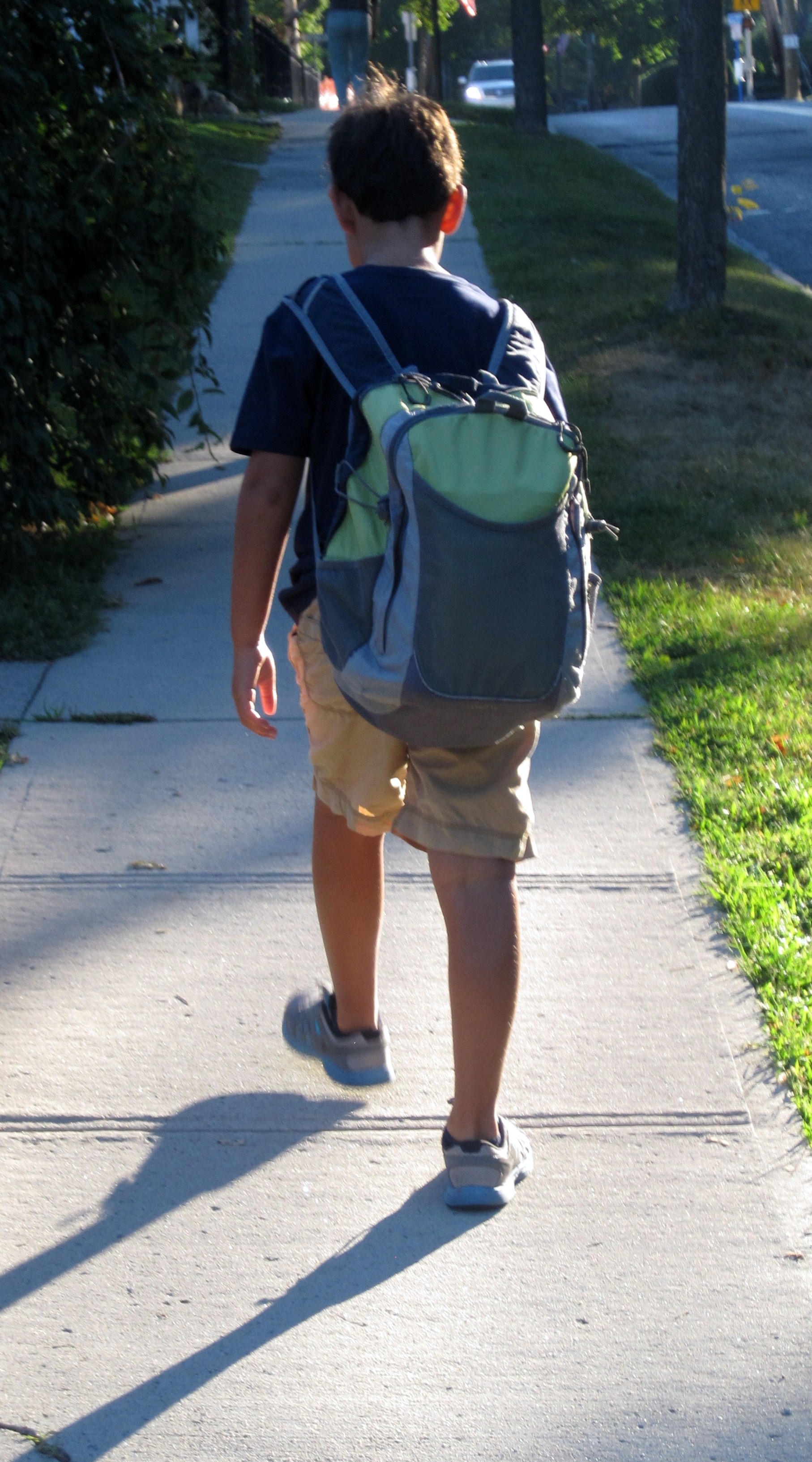
Walking to school

tpt-badge_contributorScary Mommy badge

Late is something I am not.

Not to meetings or meet ups.  Count on me to help the host kick off her party or the coach unlock the gym door.  In the words of my grandmother, “Five minutes early is on time.”

Then I gave birth to Bubbe who arrived one week late and after two hours of pushing.  A little guy who stopped to collect pebbles from the sidewalk, admire makeshift rivers on a rainy day, and construct block towers when he was supposed to be eating breakfast, Bubbe’s dawdling challenged my timely tendencies.

The slow approach appeared to stem from his developmental delays.  As a toddler and preschooler, Bubbe worked regularly with speech, occupational and physical therapists.  He and I did much schlepping to services during the early years.

To ensure my son got what he needed when he needed it, I planned our schedule around his clock.  I laid out clothes, organized the diaper bag, and packed snacks hours in advance.  I set timers, offered reminders, and built in daily dawdle time.  There were days when Bubbe played along, but those were rare.  “Hurry up” became a staple in my vocabulary and carrying his boneless body out the door and onto the next appointment became my primary source of exercise.

After a decade of exposure to my anxious nudging and keen management skills coupled with his hard work and a little maturity, I expected Bubbe to come to value my vision of time.  No such luck.

This tortoise syndrome became a wider concern at the end of third grade when it led to academic road blocks.  His teachers investigated.  Turns out, Bubbe’s brain doesn’t send signals as fast as mine and most peers.  To process, organize and focus thoughts and movements takes hard work and energy.  Dawdling is part of his DNA.

Armed with the information, I intended to shift my parenting approach.  But the thought of giving my child space to figure out his day at the risk of him being tardy rattled me to the core.

It doesn’t matter how Bubbe’s brain is wired.  I thought.  He has to learn how to move faster; use time wisely.

I held the reins.

Bubbe’s fourth grade year commenced with him hearing my voice on auto replay each morning.  “Get dressed.  Eat breakfast.  Find your backpack.  Don’t keep your friends waiting.  C’mon let’s go.”

Too big to fling him over my shoulder; prods graduated to threats, coaxing converted to yelling.  I was met with eye rolls, I don’t cares and whatevers.  Our home transformed into a battleground, leaving Bubbe and I frazzled and fried before the day began.

Then I went back to work.

My responsibilities multiplied overnight.  I no longer had space in my brain to try and change his.  I was forced to accept Bubbe was older and in charge of his actions.  I was also forced to accept that he no longer needed me in the same way.  I resolved to “do” my tween differently.

Step one: let him be late for school.

One morning soon after, I awoke Bubbe as per the usual routine and announced, “We are leaving at 7:45.  You have until then to get up and do your thing.”

At 7:40 he was still in bed.  “Your brother and I are leaving in five minutes.  Just lock up on your way out.  The school bell rings at 8:15am.  See you there.”

The neighbors knocked on the door.  Skootch and I left Bubbe behind.

As we walked the three blocks, I looked back but there was no sign of him.  I dropped off his brother and headed across the school grounds toward the front gate.

Still no Bubbe.

I turned the corner toward home.  There he was, strolling up the sidewalk; dressed appropriately, jacket on and with backpack in tow.  For the first morning in weeks, Bubbe was smiling.

I smiled back.

As we passed each other, my son leaned in and nuzzled his brow into my chest.  “I love you, Mom.”

“I love you too, sweetheart.  Enjoy the day.”  We went our respective ways.

And no one was late.

On Becoming an iPhone Addict

photo credit: Algerina Perna/Baltimore Sun

ML_published_badge_red_Mamalode

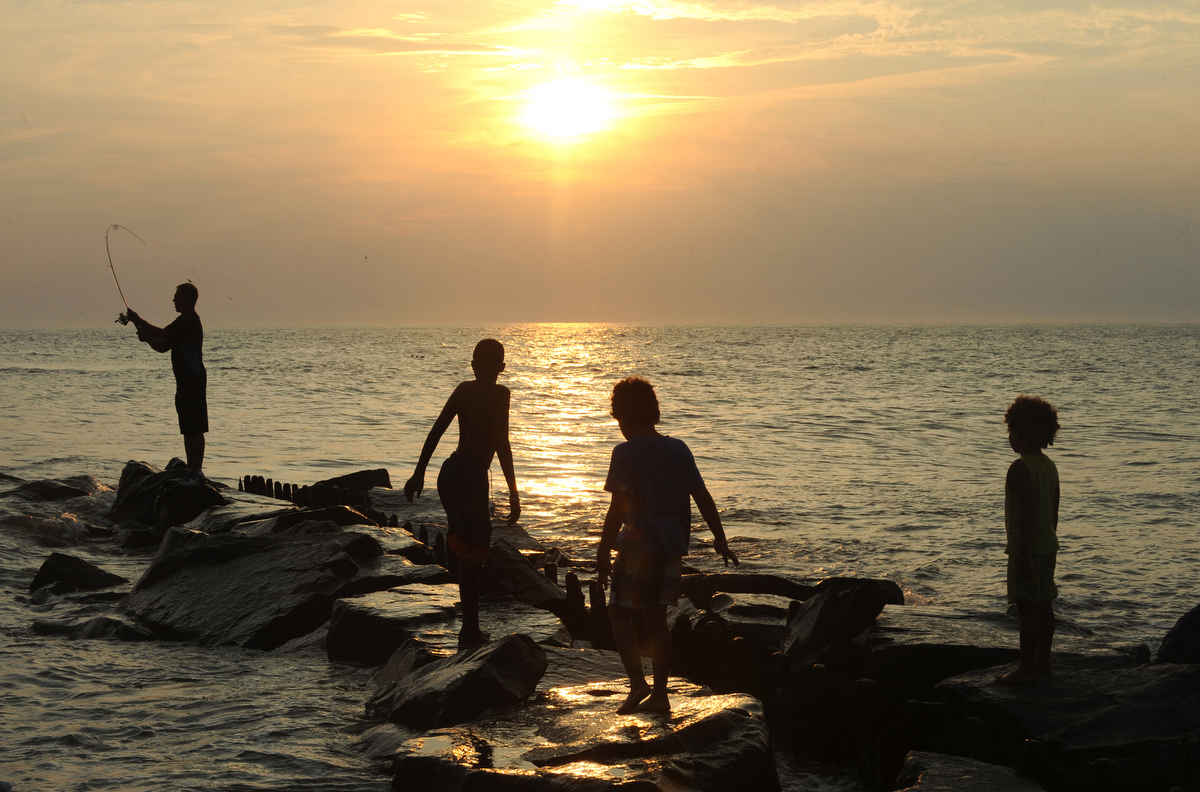
Mac and the boys mix a seaweed soup off the distant jetty.  I gaze into a misty horizon, body limp; Yingling nestled in the sand.  The rhythm of the waves at low tide aim to sooth.

Poing.  A hand twitches.

Ding.  Temples throb.

Whoooop.

The allure of mommy solitude is not enough for me to ignore the sound.  I reach for the iPhone.

Whose texting me? 

Who shared my post?

How many friends “liked” my status? 

Did a literary agent send an offer email at long last?

It’s the final evening of our family vacation.  It shouldn’t matter.  And yet my brain sizzles with curiosity.

Outsiders observe.  An intervention ensues.

Crash.  The waves argue their case.

Ring.  The ice cream vendor shakes his bell with disgust.

Whistle.  Even the diving kite overhead has something to say.

Nature’s hum is no match for the cocaine colored Otterbox clutched in my palm as I tap and swipe and stare.

Bubbe is wise to my growing affliction.  “Mom, you’re always on the phone.  Didn’t you say no electronics at the beach?  We are on vacation, you know.”

“You’re right,” I nod, tweet discreetly, and drum up an excuse.  “I only use it to take pictures.”

Skootch is convinced the world’s problems can be solved and the universe’s questions answered with a search engine or app.  “Why did my bucket float away?  Where did the wave take it?  When is it coming back?  Mom?  Mom?  Mom?”  He lifts my chin.  “Type it in.”

Many of my peers seem in control.  A walk on the beach with a childhood friend revealed her reasoning behind a quiet Facebook presence.  Upon stowing her iPhone in my fanny pack she shared, “Years ago, I found myself sifting through a wedding album of a friend of a friend and thought, what am I doing?  It was then that I made a conscious decision to stop.”

Tongue tied and stupefied, I rationalized a half-assed reason why, as a writer building a platform and in search of representation I needed to be savvy with social media.

There was a time when I sneered at the mother who looked at a smartphone in lieu of my face during a conversation at a preschool birthday party and rolled my eyes at the texting parent who barked orders from the playground bench.  Now I am that mommy.

And I know better.  I follow Hands Free Mama’s Facebook page.  I Pinterest technology articles.  I even held onto my Blackberry and a flip phone before that until recently because I prefer not to be plugged in.

I teach my children moderation.  Bubbe survived an electronic free sleep away camp, Deletion Day, and is painfully aware that a phone in his immediate future is unlikely.  Skootch doesn’t ask for technology at restaurants, in the car, or on vacation.  Both follow usage rules at home.

But my do as I say not as I do approach will not last much longer.

The sun is setting.

Skootch giggles up the dune chased by Bubbe who lizards across the sand.  Mac brings up the rear.  I stash the phone in the pocket of the Tommy Bahama lounger, pretend to scribble in my journal, and mindfully confess – I am an iPhone addict.

Quick.

Someone point me in the direction of rehab.

RED’S WRAP SAID WHAT? – 5 Things I Remember About Middle School That I Bet Are Still True…

middle school locker

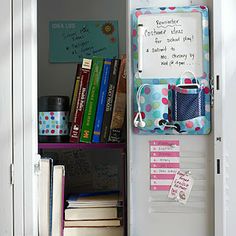
Whether it’s 30 years or 50 years, Jan Wilberg’s universal truths about middle school ring true today.

I read her post and flash backed to the cans of Aqua Net arranged on my nightstand, the pages of Teen Beat that lined my locker walls, and how I seemed to be in love every other Tuesday. And although I would NEVER want to do it again, I must admit thinking about pubescent electricity made me smile. Thank you, Jan.

Jan Wilberg's avatarRed's Wrap

Middle school was a critical juncture in my life.Of course, this is only occurring to me now, fifty plus years after the fact. Here are five things I remember about middle school which I bet are still true today.

Changing classes meant I could change, too. In Science, I sat with my partner and prayed for invisibility. In English, I was reprimanded for interrupting and being sarcastic. In Art, I believed the teacher when she said it didn’t matter what my piece looked like. It was all about the technique. Each class in the day was a chance to shake off what had happened in the previous class, good or bad, start over, put on a new hat. I loved this because I’d spent the last months of elementary school waiting (in vain) to be called on to give a report on the Roman God Janus, each day was…

View original post 737 more words

Birthdays & Back to School

Today Red said what? turns two.  Mamalode is helping me celebrate the blog’s birthday by featuring this Back to School version of “A Mother’s Mantra.”

Mamalode Mothers Mantra Picture

http://mamalode.com/story/detail/a-mothers-mantra

Thank you for your continued support and encouragement.  If you didn’t take the time to read my essays, this blog couldn’t exist.

Do I have a new piece prepared for September?  Yes.  It’s waiting in the wings…

A Mother’s Mantra

The bunk

ML_published_badge_red_Mamalode

I stand behind the ironing board affixing labels to socks

and watch

you weave Stampy Cat from yellow bands

The knot in my throat

grows

An adventure looms

For each of us

Soon to camp

One month away

Your first time

Reminders simmer

Stay in groups.  Be modest.  Don’t let anyone take advantage.

Use your voice

Use soap

Use a tissue

Never spoken

Instead,

A mother’s mantra

“I love you.  I’m proud.  Have fun.”

We drive the twisted parkway

Duffle in trunk

You stare beyond the glass

Wondering

Raindrops camouflage my tears

Focus.  Don’t dawdle.  Clean up.

Take a risk

Trim those nails

Try the baked ziti

“I love you.  I’m proud.  Have fun.”

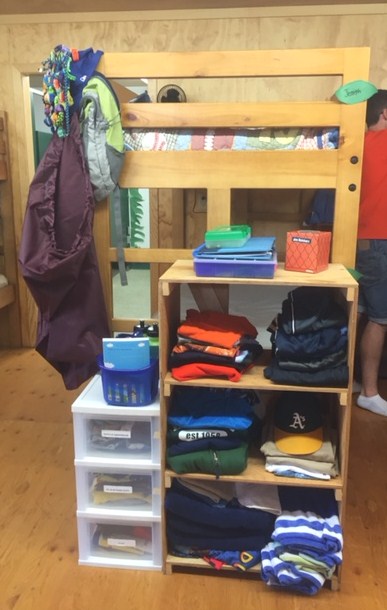
I stuff sheets into a top bunk

You flip cards with new mates

throw a glance

and disappear with the pack

It’s almost time

Brush your teeth. Wear glasses. Spray for bugs.

Be organized

Be flexible

Be you

“I love you.  I’m proud.  Have fun.”

The Gaga pit

A kiss good-bye

Stay a boy forever

One more squeeze

Experience it all

“I love you.  I’m proud.  Have fun.”

What’s Your Story?

Small world sign

Mac leaned across the handrail to get the lay of the ride’s land as he commentated into the iPhone.  “The happiest cruise that ever sailed.  It’s a Small World is the only thing I remember about my first trip to Disneyland, and I remember everything about it.  Even the boats are the same.  That was 1968.”

My wide-eyed husband entertained our boys with his broadcast as we herded our way around the corral, down to dockside, and into holding pen number three.  Mere seconds passed before our craft expeditiously floated into place.  We boarded, sitting four across in the center row: Me, five-year old Skootch, big brother Bubbe and Mac.

“Mom and Dad, there are 16 in the boat.”  A divine voice with an undertone of Disney princess addressed the crowd from a microphone equip cotton candy hued canopied chair perched above our heads.

Our crew patiently waited for the boat in front of us to move.

It didn’t.

The Divine Princess spoke again.  “Sit the child on your lap so there are only 15 in the seats.”

As I thought, Who is she talking to? my quads seized, chest blotched, and shoulders went stiff.

Oh crap! She means us. 

The disembarking Happy Boats stacked up behind ours while lines of guests stared us down in the midday sun.

“Take him,” I ordered Mac.  He reached across and hoisted Skootch up.

“I want to sit next to Mom!”  Our brawny boy wrestled his way off of Mac’s lap, knocked into his brother who fell into me.  The ride rocked.  Passengers braced.

“Leave the boat,” I instructed my husband.  Mac returned to the dock to await the next cruise.

I counted fifteen passengers.  Problem solved.

“All four of you get off and wait,” the princess summoned.  “I said all four.”

“No!  I want this boat!” snapped Skootch.

I shooed Bubbe to shore and stepped over my stuck puppy hoping his fear of abandonment would set in.

It did.

“Okay Okay I’m coming,” he said.

Back in pen three, I stared at the concrete, gripping my boys’ hands for moral grounding until the new boat slipped into place.

Again, we sat four across.

Still displeased, the Divine Princess made a final pronouncement.  “Sit two and two.”

Mac and Bubbe moved up a row.  Skootch stayed with me for safekeeping.

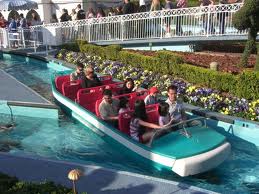
At long last, the happiest cruise set sail.

Small world boat

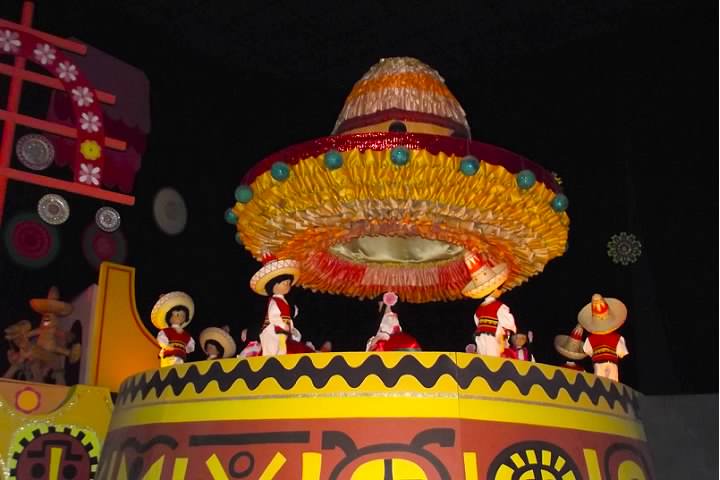
Serenaded by the world’s children, our shipmates marveled at the unfolding spectacle in Mandarin, German, and English as we drifted through the tunnel.

Skootch hardly cracked a smile.

He skeptically squinted at Alice

Small world Europe

and curiously cocked his keppe at the carpets overhead.

it's a small world

Jiggled ever so slightly to the jarabe

Small world South America

and silently shimmied his way through the South Pacific.

Small world, south pacific

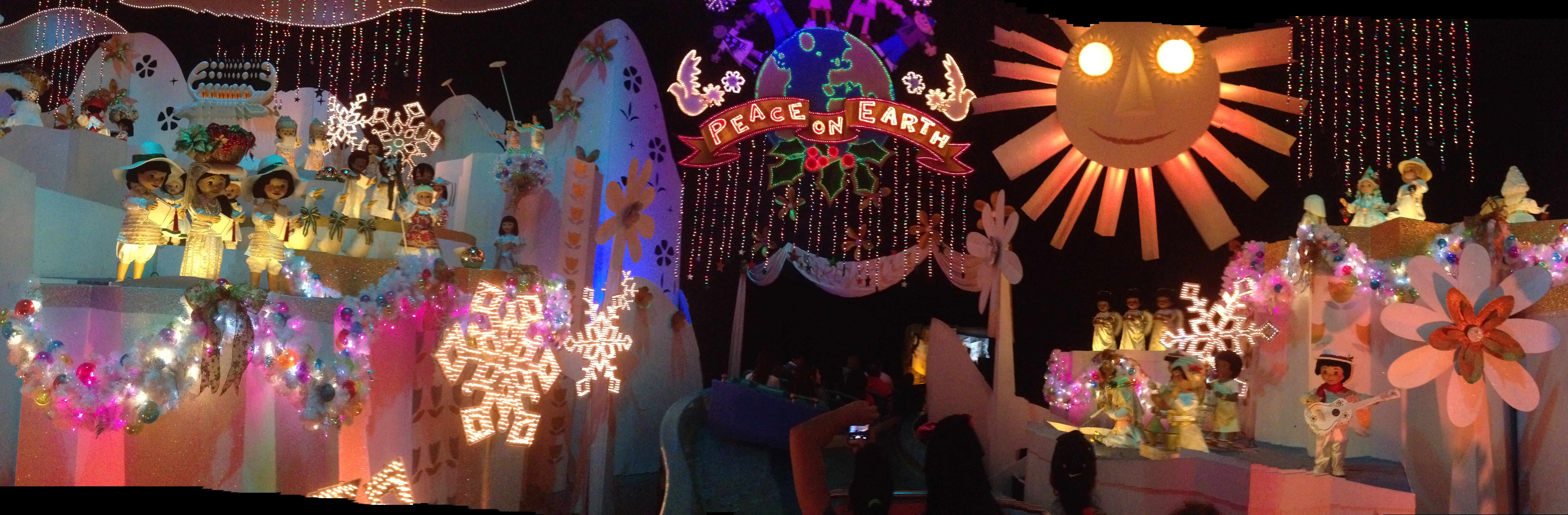
It wasn’t’ until Skootch was embraced by a chorus of children adorned in white and gold that he completely settled into the experience.

Small world finale picture

Our exiting vessel halted just shy of the Divine Princess’s throne.  “So what did you think?” I asked.

My son looked up with a cheeky grin and sang,

It’s a small world after all.

When Disneyland celebrates its 100th anniversary, perhaps Skootch will be the father leaning over the handrail recording into a device.

“The happiest cruise that ever sailed.  It’s a Small World is the only thing I remember about my first trip to Disneyland, and I remember everything about it.  Even the boats are the same.  That was 2015.

Kids, let me tell you something.  This small world is filled with harmony, variety, and life.  But if you truly want to enjoy the ride, sometimes you have to heed a higher voice, leave Mommy’s lap, and switch boats.”

On a recent visit out west, we squeezed in our first family trip to Disneyland between the measles outbreak and the park’s 60th anniversary.  Recalling our Small World experience at a Passover Seder, we were surprised to hear how many guests could relate.  From getting kicked out of a park for mischievous mischief to being trapped on It’s a Small World, it seems everyone had a Disney story.  This one is ours.