THE WORTHINGTON POST SAID WHAT?…A Heavy-Handed Ode to the Clitoris


Georgia OKeeffe

Georgia OKeeffe

The BlogHer 2015 Voice of the Year Award reception is being held at their conference in New York City this weekend. Aliza Worthington, myself, and 98 other people are lucky enough to be attending as honorees.

While Aliza’s winning piece is hilarious, it is important to note that she published it during National Clitoris Awareness Week. The week was created by the organization, Clitoraid which helps victims of female genital mutilation.

Aliza @ The Worthington Post's avatarThe Worthington Post

ode to clitoris aliza worthington

Puns and a limerick to celebrate a special week. Please enjoy!

Today, I’m so sad to see Clitoris Awareness Week COME to an end. But I’ve decided to show my reverence by trying my HAND at some poetry. Yes, I’m doing some of my CHEEKIEST work as I help people peek under the HOOD of this magical organ. Rather than simply pay it LIP service, I felt poetry would help me go DEEP into the subject matter. I chose limerick form, because, of course, it begins with “L” “I” and ends with “C” “K.” Not to brag, but one friend called me a “cliterary genius” while another said I was a “cunning linguist.” Enjoy.

But grab a tissue. It will be touching.


Ode to the Clitoris

by Aliza Worthington
B.A. and M.A. from Johns Hopkins University 1990

There once was a girl from the city
Who needed to write something…

View original post 191 more words

A Mother’s Mantra

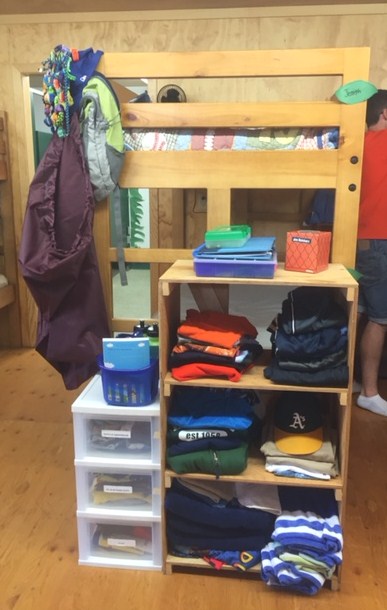
The bunk

ML_published_badge_red_Mamalode

I stand behind the ironing board affixing labels to socks

and watch

you weave Stampy Cat from yellow bands

The knot in my throat

grows

An adventure looms

For each of us

Soon to camp

One month away

Your first time

Reminders simmer

Stay in groups.  Be modest.  Don’t let anyone take advantage.

Use your voice

Use soap

Use a tissue

Never spoken

Instead,

A mother’s mantra

“I love you.  I’m proud.  Have fun.”

We drive the twisted parkway

Duffle in trunk

You stare beyond the glass

Wondering

Raindrops camouflage my tears

Focus.  Don’t dawdle.  Clean up.

Take a risk

Trim those nails

Try the baked ziti

“I love you.  I’m proud.  Have fun.”

I stuff sheets into a top bunk

You flip cards with new mates

throw a glance

and disappear with the pack

It’s almost time

Brush your teeth. Wear glasses. Spray for bugs.

Be organized

Be flexible

Be you

“I love you.  I’m proud.  Have fun.”

The Gaga pit

A kiss good-bye

Stay a boy forever

One more squeeze

Experience it all

“I love you.  I’m proud.  Have fun.”

STACEY WILK SAID WHAT?…Friendships are Like Paper Plates

cat-landing-plates-pistoulet

Italian Mama and author Stacey Wilk is one tough cookie when it comes to friendship. “Friendships are disposable,” she writes, “like paper plates.”

She’s not alone.

Social media posts, quotes, and related articles often remind me that one’s circle of friends typically shrinks with age. People come in and out of our lives depending upon the circumstance and purpose.

As one who didn’t learn how to be a good friend until well into adulthood, I think mindless disposal is a shame. You never know what weight the plate carried in the past. I’d like to hope that with a wipe down, delicate wash, or elbow grease most friendships are recyclable.

So what’s in your cupboard? Paper? Stoneware? Or perhaps, plastic? You know the plates; shiny, sturdy glorified paper disguised as stoneware.

What’s Your Story?

Small world sign

Mac leaned across the handrail to get the lay of the ride’s land as he commentated into the iPhone.  “The happiest cruise that ever sailed.  It’s a Small World is the only thing I remember about my first trip to Disneyland, and I remember everything about it.  Even the boats are the same.  That was 1968.”

My wide-eyed husband entertained our boys with his broadcast as we herded our way around the corral, down to dockside, and into holding pen number three.  Mere seconds passed before our craft expeditiously floated into place.  We boarded, sitting four across in the center row: Me, five-year old Skootch, big brother Bubbe and Mac.

“Mom and Dad, there are 16 in the boat.”  A divine voice with an undertone of Disney princess addressed the crowd from a microphone equip cotton candy hued canopied chair perched above our heads.

Our crew patiently waited for the boat in front of us to move.

It didn’t.

The Divine Princess spoke again.  “Sit the child on your lap so there are only 15 in the seats.”

As I thought, Who is she talking to? my quads seized, chest blotched, and shoulders went stiff.

Oh crap! She means us. 

The disembarking Happy Boats stacked up behind ours while lines of guests stared us down in the midday sun.

“Take him,” I ordered Mac.  He reached across and hoisted Skootch up.

“I want to sit next to Mom!”  Our brawny boy wrestled his way off of Mac’s lap, knocked into his brother who fell into me.  The ride rocked.  Passengers braced.

“Leave the boat,” I instructed my husband.  Mac returned to the dock to await the next cruise.

I counted fifteen passengers.  Problem solved.

“All four of you get off and wait,” the princess summoned.  “I said all four.”

“No!  I want this boat!” snapped Skootch.

I shooed Bubbe to shore and stepped over my stuck puppy hoping his fear of abandonment would set in.

It did.

“Okay Okay I’m coming,” he said.

Back in pen three, I stared at the concrete, gripping my boys’ hands for moral grounding until the new boat slipped into place.

Again, we sat four across.

Still displeased, the Divine Princess made a final pronouncement.  “Sit two and two.”

Mac and Bubbe moved up a row.  Skootch stayed with me for safekeeping.

At long last, the happiest cruise set sail.

Small world boat

Serenaded by the world’s children, our shipmates marveled at the unfolding spectacle in Mandarin, German, and English as we drifted through the tunnel.

Skootch hardly cracked a smile.

He skeptically squinted at Alice

Small world Europe

and curiously cocked his keppe at the carpets overhead.

it's a small world

Jiggled ever so slightly to the jarabe

Small world South America

and silently shimmied his way through the South Pacific.

Small world, south pacific

It wasn’t’ until Skootch was embraced by a chorus of children adorned in white and gold that he completely settled into the experience.

Small world finale picture

Our exiting vessel halted just shy of the Divine Princess’s throne.  “So what did you think?” I asked.

My son looked up with a cheeky grin and sang,

It’s a small world after all.

When Disneyland celebrates its 100th anniversary, perhaps Skootch will be the father leaning over the handrail recording into a device.

“The happiest cruise that ever sailed.  It’s a Small World is the only thing I remember about my first trip to Disneyland, and I remember everything about it.  Even the boats are the same.  That was 2015.

Kids, let me tell you something.  This small world is filled with harmony, variety, and life.  But if you truly want to enjoy the ride, sometimes you have to heed a higher voice, leave Mommy’s lap, and switch boats.”

On a recent visit out west, we squeezed in our first family trip to Disneyland between the measles outbreak and the park’s 60th anniversary.  Recalling our Small World experience at a Passover Seder, we were surprised to hear how many guests could relate.  From getting kicked out of a park for mischievous mischief to being trapped on It’s a Small World, it seems everyone had a Disney story.  This one is ours.

HOW TO RAISE BENEVOLENT DICTATORS SAID WHAT?…“The Importance of Lying About Food.”

'Mommy has made this astonishing cake just to get you to eat your peas and provide valuable insight for your therapist in twenty years.'

‘Mommy has made this astonishing cake just to get you to eat your peas and provide valuable insight for your therapist in twenty years.’

I recently read an article that appeared on The Mid and Huffington Post Parents called, “Six Words That Will End Picky Eating.” The author offered a sensible approach to reigning in the habits of sensitive eaters. I was pleased to learn that I was on the right track with my child and his persnickety palate.

Later the same day, I read the below article, “The Importance of Lying about Food” and I thought, now that’s more like it.

Common Core Testing; My Case for Opting In

IMG_4091

Let us all breathe a collective sigh of relief.

The 3rd-8th grade English Language Arts (ELA) and Math Common Core standardized tests are over.  You know the ones; the high-stake assessments pitched by politicians as guaranteed to close the achievement gap, ensure children are college and career ready, monitor the health of school districts and in my state, dictate the quality of teacher instruction.

Ten years ago, as a fourth grade teacher, I had the experience of administering and grading the state ELA and Math tests under No Child Left Behind in the same school my children attend today.

In April, my third grader took the Common Core version for the first time.

Many of his peers and an estimated 15% of children statewide did not.

Their parents “Opted Out.”

Those who joined the Opt Out Movement poignantly expressed concern citing that the current, mandated state assessments cripple public education, compromise the professionalism of teachers, steer time away from creative, meaningful curriculum, suck the joy from learning, and kill young spirits with its developmentally and grade level inappropriate language and length.

Despite the fact that I agree with these points, am a vocal supporter of education historian and activist Diane Ravitch’s platform, and believe the assessments in their existing form offer no diagnostic value for teacher or student,

I Opted In.

It was not because I’m worried about a potential loss of district funding or the perceived reputation of my son’s school, nor was it because I’m a data hungry mama on a mission to mold my child into an international marketplace competitor.

Truthfully, if I felt his learning needs weren’t being addressed, I may not have exposed him to a testing environment that requires nine year olds to sit several hours over a 3-day period for two consecutive weeks answering sophisticated and language heavy reading, writing, and math questions.  Furthermore, if my school district had Opted Out, I would have obliged.

As a public school student, my son is automatically a pawn in the conundrum of educational reform; ammunition in a grown up battle.

But he doesn’t know it.  And that’s good.

He is fortunate to attend a child-centered school that takes pride in their general, special, character, and arts education programs.  Inside the classroom, teachers do their best to thoughtfully integrate test prep into an already rich curriculum.  Since state testing commenced 15 years ago, the school district has stood behind their mantra; standardized assessments are a snapshot in a child’s day.

Buzz does not exist.

Outside the school, administrators voice concern about high-stakes testing and its implications in the local newspaper.  Board members write letters to the Board of Regents seeking change and travel to the state capital to fight for school district rights, standing firm outside the Chairman of Education Committee’s office until the senator answers their questions.

Advocacy is a priority.

Out of respect for my son’s innocence, love for his teacher and community, our leaders’ efforts, and in keeping with the belief that anxiety breeds anxiety, I don’t express my Common Core testing distaste at home and I don’t initiate conversation with my child about the “big state test.”

He knows it’s happening.

Had I Opted Out, my son would not only know it is happening, but also be acutely aware that he is concretely, conspicuously stuck in the middle of a movement that effects the quality of his education and the future of his teacher’s job.

And in my opinion, a nine year old does not need this additional burden thrown upon his shoulders.

So like the time he fell off the playground swing and looked to my reaction for his, I bit my lip and played it cool as the test date approached.  I made absolute sure he had a decent night’s sleep the nights before each assessment, breakfast in his belly the morning of, and plenty of down time in between.

As such, when he came home after the first day of the English Language Arts test, this is what he told me…

“Today was the big state test.  The teacher put our desks in a line, the old-fashioned way so we could have space.  She gave us gum to help us focus.  I didn’t like the flavor so I didn’t have any.  We took the test for about an hour.  Then we got two recesses.  During one of them, I played Knock Out and took second place against a 4th grader.  We don’t have any homework; I have no idea why, but we don’t.  It was a great day.  Can I have a snack?”

My response? “Good for you.”  I did not ask test specifics, how he worked, whether or not he finished, or how he performed. “Yes, help yourself.”

The morning of the Math test a week later, his primary concern was to make sure he packed orange flavored Life Savers in his backpack.

“Mom, sucking on them helps me focus.  Plus I like to trade them with friends.”

“That makes sense,” I said.

The “Opt Out” or “Opt In” choice for the 2014-2015 school year has been made.

Now what?

I don’t believe the elimination of standardized testing is realistic and the likelihood that I will Opt Out my child next year is slim.  But I do believe a compromise is necessary.

Juan Gonzalez, journalist for the New York Daily News recently made this valid point,

“Back in 2009, the old state tests showed 77% of students statewide were proficient in English.  The next year, the pass level was raised and the proficiency percentage dropped to 57%.  A few years later, Albany introduced Common Core and the level plummeted even more; to 31% statewide.  Same children.  Same teachers.  Different test.”

Step One?  Reconstruct the test.

  • Decrease the length. Requiring nine year olds to sit for 60, 70, and 90 minute stretches will only demonstrate how a child performs when fatigued.
  • Make the reading passages grade level. This year, it was reported that at least one 3rd grade English Language Arts test passage registered at a 5th grade reading level.  The 6th grade test apparently included vocabulary that could stump a grown up.
  • Offer a combination of concrete and inference ELA questions as well as Math problems rooted in mathematical concepts void of unnecessary language. Children develop differently; some minds are not ready or grounded enough in the language to tackle a multitude of higher level thinking questions.
  • Reduce testing frequency. It is possible to monitor a child’s general academic progress without subjecting him to standardized assessments for 6 consecutive years.  As former President Bill Clinton quoted in The Washington Post, “I think doing one test in elementary school, one in the end of middle school and one before the end of high school is quite enough if you do it right.”

Do. It. Right.

By creating fair tests, maybe we can begin the return to a balanced educational landscape where standardized tests play a small and perhaps valuable role in shaping a young person’s school experience.

Those who support the Opt Out Movement have outlined their future demands to state government officials.  Let’s see what happens.

In the meantime, instead of having a casual conversation in town with a board member or reading articles about my district administration, I need to get proactive and stand alongside them outside that stubborn senator’s office.

But I’ll be sure to leave my son home; to play Knock Out with friends, sample Life Savers, and enjoy his final years in elementary school because that’s his job.

Advocating for a sensible public school education is mine.

I SAID WHAT?…Preventing Child Sexual Abuse; This Survivor’s Synopsis

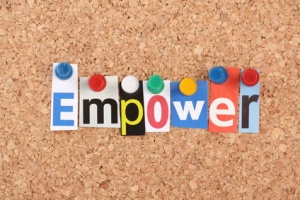
The word Empower in magazine letters on a notice board

April is National Child Abuse Prevention Month. 

Child sexual abuse is an uncomfortable but necessary topic that I think deserves revisiting.  As such, I am re-posting my essay from a year ago in lieu of an April guest post. 

Providing our children with the tools to prevent abuse is a critical step in preventing it from happening.  Fortunately, many schools take time to address the difference between good touches and bad touches.  For those that do not, there is a movement in place to enact a law that requires it. 

School programs are great but conversations need to start at home.

If we work together now to empower our children and ourselves, then perhaps the next generation will have less predator stories, abuse memoirs, and survivor synopses to read.

Child sexual abuse is pervasive in our society; it knows no race, religion, gender, or economic status.  It has impacted generations of children; stripped them of their innocence and burdened them with trauma that can last a lifetime.

Last year, I wrote a blog post describing the day I first told my mother I was a survivor of child sexual abuse.  I stayed silent until I was 30 years old.  After countless conversations with fellow survivors and curious parents since that post, I felt it was high time I weigh in on this uncomfortable but necessary topic.

According to an article in Baby & Blog, “6 Ways to Protect your Child from Sexual Abuse”, “It is estimated that 1 in 4 girls and 1 in 6 boys will experience some form of sexual abuse before their 18th birthday. To put this in perspective, that means “in a classroom of 25 High School Seniors, 3 of the girls and 2 of the boys will have likely been sexually abused.”

Child sexual abuse is about power.  Child molesters feel powerful when they exploit and take advantage of children.  If we tip the scale and take away their power, then perhaps we can stop the abuse.

How do we do that?  Empower the children.  Empower ourselves.

Empower the Children

“The fight against child molesters begins by teaching the children.” – Norman E. Friedman

When Norman Friedman, a veteran mental health professional, educator, and author of Inoculating Your Children against Sexual Abuse; what every parent should know! made this statement during a lecture I thought,

That makes sense.

Based on Mr. Friedman’s years of experience working with the predator population, he concluded that one cannot cure a child molester.  Therefore, the most effective thing we can do is empower children about their bodies and rights, and create an environment where they feel confident communicating with a trusted adult.

No Touch Zone.

First, teach them that everyone has a No Touch Zone.  This zone is not limited to the child’s private parts.  Friedman’s book outlines his definition and offers a noninvasive, appropriate, step by step approach to help trusted adults teach children about body parts, body rights, and what to say if a person attempts to court, solicit, or make them feel uncomfortable.

No Secrets.        

“We don’t have secrets in our house; we have surprises,”

is a phrase we adopted in our home thanks to Friedman.

Secret is a word we innocently use with children.  However, a predator’s efforts to create an inappropriate relationship with a child often includes secret keeping.  Friedman suggests that if we stop using the term, a child will recognize when it’s out of place and subsequently say something to that person as well as his trusted adult.

No Secrets policy in a family encourages open communication.  Once a child feels confident that he can speak freely, we need to make sure we are listening.

Listen.

It is important we make it a priority to send verbal and nonverbal cues that convey to our children we are available; always, whenever, and no matter what.  Listening and responding respectfully to both the good and bad things that are on their mind builds trust, offers reassurance that we care, and confirms that what they say is meaningful.

Young people exposed to life is tough and keep it in the family attitudes and who hear messages that it is their job to be responsible for adult feelings and needs add up to one thing in a child’s mind;

why bother talking, no one is listening.

Listening to our children is critical, but believing is lasting.

Believe.

When a child confides that someone approached him in an uncomfortable way, it might be easier to swallow the shock and impossibility of it all by downplaying the incident, particularly if it’s someone familiar.

But we need to take their words seriously.

Regardless of how the information made us feel or who the party was; that child felt violated on some level and had the courage to speak up.  That means we need to find a way to help him feel safe again as well as confront the party in question.

I can’t tell you how many times I’ve heard an adult recount their abuse experience and share how he had the courage to tell a trusted loved one only to be brushed off, ignored, told he was wrong or the cause of it.

Can you imagine being that little boy who was brave enough to say something, not believed, and then continually abused?

Empower Ourselves

It’s not enough to empower our children.  We trusted adults have to get in on the act.

Go with your gut.

A friend felt conflicted about telling her neighbor to take a hike when he wanted to play basketball with her eight year old son.  She felt bad for the lonely, old man even though her gut told her his request was odd.  Confronting him would be impolite, so she protected her son by making excuses when the child continued to ask if he could play with the man.

She ultimately took action.

To her son she said, “In many ways, he’s like a stranger to us.  We know him but we really don’t.”

And to the man, “Come on.  You know grownups don’t play with kids.”

After that, he left my friend’s son alone.

Advocate at all costs.

If you know someone in your family has a history of abusing others and you suspect that the person is being inappropriate with a child even if it isn’t your child, call him out on it.  If that’s too scary, anonymously call Child Protective Services.

It is not enough for us to avoid an abuser in the family because it is likely he is out in the world hurting someone else’s children.  So for the sake of that little boy and girl, their innocence, emotional health, and future please be strong;

take a stand.

We can’t wait for predators to rehabilitate or the laws to punish them accordingly.  And since the majority of molesters are not strangers, they will continue to live in our communities, interact with children, and be part of our families.

I’m sorry if this frightens you, but it is true.

So empower your children.  If a predator tries to court a child equip with the right tools, he’ll realize that he doesn’t stand a chance and will back off.

And empower yourself.  Let those who are inappropriate with children know that we trusted adults are paying attention.

Scale tipped.  Power stripped.

A Pleasant Passover

Seder table picture

FIFTH PLACE WINNER – INSPIRATIONAL CATEGORY

11584-WDAN-AW

Kveller

Born into a Catholic family with a Jewish surname, I should have expected that I would one day find myself leading a Passover Seder.

To date, Mac and I have hosted eight Seders, seven of which I’ve had the honor to lead. This role was bestowed upon me after my Jewish husband concluded that in light of my organized, creative, teacher-like nature, I was the right person for the job. The trade off was food prep, which he happily agreed to tackle. Not one who enjoys cooking, I acquiesced. Besides, the man makes a mean brisket.

I love a good Passover Seder.

The parallels to the Easter story coupled with the springtime symbolism and my personal affection for The Ten Commandments movie make Passover a welcomed and relatable holiday.

The Seder service creates a setting where both the newcomer and the experienced guest feel connected.

It’s a forum to discuss physical and emotional freedom, think about the responsibility one has to repair the world, question injustice, and reflect on values and relationships. The Story of Exodus and the blessings translate into modern life and are meaningful for young and old, regardless of ethnicity or faith.

Lastly, the traditions are designed to keep children engaged, which make it easy to add elements of fun.

I didn’t always love a Seder.

In the beginning, I found it a tough ceremony to swallow. I felt like the token Christian; the stranger in the wrong outfit eating the matza out of order. The structure of the service confused me and the intensity associated with staying on task gave me the perfect excuse to keep quiet. I felt excluded by the deluge of Hebrew spoken by those in the know and in general, lost; drowned in a Red Sea of rigidity, pomp, and circumstance. For years, I couldn’t wait to suck down that fourth cup of wine and hightail it home.

Determined to do right by my Catholic self and our Jewish children, I set out on a mission to create an outreach friendly Seder.

I compiled a Hagaddah chock full of catchy ditties, kid friendly verses, and hands on plagues. I switched up the order of the service, made the blessings accessible in English and Hebrew, added passages about civil rights and the human condition, and offered readings that would appeal to different belief systems.

It took a few years to earn our Seder hosting chops, but eventually Mac and I found something that worked for us.

Fast forward to Passover 2014.

Walking by a local church the morning of Passover I noticed a passage carved into the steeple.

How wonderful it is

How pleasant for God’s people

To live together in harmony

Psalm 133

I thought about our Seder guests. That evening, sixteen people; Jews, Catholics, Muslims, a son of Methodist missionaries, family, old friends, and new faces would gather around our table in Pleasantville like a bona fide interfaith, intergenerational jamboree.

As suspected, it turned out to be just that.

We waited to kickoff the festivities so my Muslim neighbor could run home to say her afternoon prayers.

My father, a good ole boy and the son of Methodist missionaries who has a mezuzah affixed to his doorpost out of respect for our Jewish ancestors, joined us for his first Seder and my first holiday with him since I was a baby.

Adults and young people alike wore sunglasses to symbolize darkness, the ninth plague and enjoyed an enthusiastic food fight of marshmallow hail.

Twenty somethings and teenagers were just as jazzed as the under ten population to hunt for the Afikomen.

The widow and sister of a dear friend, a devout Irish Catholic who always attended our Seders but passed away a few years ago, recited the concluding poem together, a job historically reserved for him.

And when the Seder ended that sister, a retired high school special education teacher, mother of four and grandmother who attends daily mass, and a Passover newcomer stood up and addressed the group. She shared,

We are a society of self-absorbed immediacy. It seems that all anyone cares about today are the latest trends, the hottest stars, and themselves. It is important to pass on traditions, talk about ancestry, tell stories, and make connections to the past. Doing this creates a necessary foundation for our children. For me, the Seder represents hope and a renewed determination to keep ALL the traditions we have alive and fun.

Then she took our Hagaddah home to use as a teaching aid in her Catechism class.

Three days later, a gust of anti-Semitism blew through the dining room and knocked me off the kumbaya cloud as I read about yet another account of worldwide religious intolerance and persecution.

This time it was an article about Jewish residents in the Ukraine who were stopped outside the synagogue after Passover services by masked men, and handed a leaflet citing that anyone over the age of sixteen was required to register themselves and personal property as Jewish or face deportation.

I was not raised Jewish. I did not convert to Judaism. But as a person raising Jewish children, the institutional nature of the attempt made me sick. It made me angry. It hit home for this Mama Bear.

So to the bigots who ordered, printed, and distributed the leaflets; raspberries and middle fingers to you.

And to all those who continue to hurt others because of or in the name of religion, I invite you to climb down from your bully pulpit.

Take off the mask, put down your weapon

Grab the marshmallows, slip on the sunglasses

And join my family for a Pleasant Passover; there are sixteen people who value freedom, tradition, inclusivity, harmony, and humanity that we’d like you to meet.

Discomfort Revisited; To My Future Self (with a side of recipes)

Avocado health picture - April 1 2015 option

Dear Post Whole Life Challenge Self,

I see you my little sugar plum fairy.  Don’t even think about downing that bag of gingersnaps.  Come now, haven’t you learned your lesson?

Eight plus weeks ago, somewhere between plank holds and hollowed rocks you tuned into Coach BE’s voice pitching the latest gym event; a 56 day nutrition and lifestyle challenge.

Even though your New Year’s resolution had been to reign in copious amounts sugar consumption, the notion of trying, not muscle fatigue shook you at the core.

I chuckled and thought, here’s a woman who survived child abuse and child birth, Weight Watchers and CrossFit, and yet there she planks; paralyzed, petrified, and underestimating her grit again.

Competitive and conscientious, I knew you could steer clear of the Skittles.

A rule abiding perfectionist, I knew you could tweak nutritional habits accordingly, practice the weekly lifestyle challenge diligently, and input a daily score religiously.

At the very least, I knew visions of a chiseled six pack dancing in your head would keep the sugar, cheese, and gluten out of your mouth.

Still you remained frozen in the britches.

As the challenge approached and the chatter grew, the last thing you wanted was to be left out of CrossFitter conversation.  In the end, peer pressure prevailed.  You coughed up the fifty bucks and bought a one way ticket back to

The Discomfort Zone.

Lethargic, cranky, and craving ice cream scoops and pizza pie slivers; the first 12 days sucked.  By day 21, you felt less bloated and more energized, but the lack of physical change almost caused you to throw in the towel.

But you kept at it.  Today you’re done and writing a letter to your future self because the challenge creators encouraged participants to do so.

Yes, you expected to come out the other side a Photoshopped version of yourself.  And it’s hard not to fixate on the lack of dramatic weight loss.  Yes, the scale tips 160 and your thigh gap is more of a slit.  The funk pecking away at your ego stems from female stigmas, girlish insecurities, and societal expectations.

Ignore it.

In 56 days you gained stamina and muscle:  mental and physical strength, a revised relationship with food and cleaner insides.  Besides, a little bass never hurt anybody.

Try to embrace these true measures of health and remember that despite middle age, marriage and motherhood, you are far from humpty or dumpty.

Find future value in the required weekly lifestyle practices as well.  Thanks to the organizers, you got more rest, practiced gratitude, kindness and mindfulness, enjoyed activities you love, and trudged through meals technology free.

Remember waking up after seven hours of uninterrupted sleep wondering what the hell happened?  Hold on to that the next time you stay up futzing on Facebook to then be awoken by a five year old with a 2am water request.

Remember the morning you experienced a few minutes of peace in the car at preschool pick up?  Hold on to that the next time you think you can’t find space to just be.

Remember the conversation with Skootch about Superman’s powers and Robin’s lack thereof over a bowl of soup?  Hold on to that the next time you open a laptop during lunch.

Remember the appreciation you felt those hours after the nearby train accident just to be able to sit and watch television with your husband and children?  Hold on to that the next time you tantrum about life being unfair.

I’m sorry but this exercise does not mark the end of your journey.  Continue to be wary of the Achilles heel: portion control.

In the meantime, feel proud.  You proved you could switch up your diet and survive.  This was an obstacle you were not remotely willing to tackle until now.

Discomfort is in fact still good.  Moderation however is great.

So enjoy some emotional eating with your team to celebrate a job well done.  The party bus and hard cider you’ve been saving are waiting.  Next stop, Peter Lugers. Bring on the schlag

Sincerely,
Your Conscience

My Go To Recipes

Egg Muffins:
Courtesy of Coach BE

  • Preheat oven to 400 degrees
  • Spray down either a muffin tray or cup cake tray with Pam/olive oil spray
  • Dice pepper, onion, and spinach (really any vegetables you like)
  • Chop up chicken sausage (some prefer cheese or both)
  • Make a 2 egg scrambled egg mix (salt, pepper, milk)
  • Add the raw vegetables and sausage to the mix
  • Pour into the cupcake/muffin tray. The mixture should fill up about 2 ½ cupcake spaces.
  • Bake for 30 minutes or until you can stick a butter knife through and the blade comes out dry
  • Store in the refrigerator and reheat in microwave for 1 ½ minutes

Baked Oatmeal Bars
Courtesy of Karen the Baker

Oatmeal Bar Picture

Note: Feel free to add nuts, apples, dates, and/or coconut.  Double the recipe and use a 9×13 pan.

  • 3 cups oats
  • 2 t baking powder
  • 1 t salt
  • 1/2 t cinnamon
  • 2 eggs slightly beaten
  • 1 cup milk (use whatever type is acceptable)
  • 1/4 cup butter melted
  • 2-3 cups of frozen berries, a cut up apple, or whatever fruit you have on hand (Add a lot more fruit than it says here.)
  • Combine oats, baking powder, salt and cinnamon
  • Combine eggs, milk, butter and add to dry ingredients
  • Stir in fruit
  • Bake uncovered in 8×8” pan for 35-40 minutes at 350 degrees

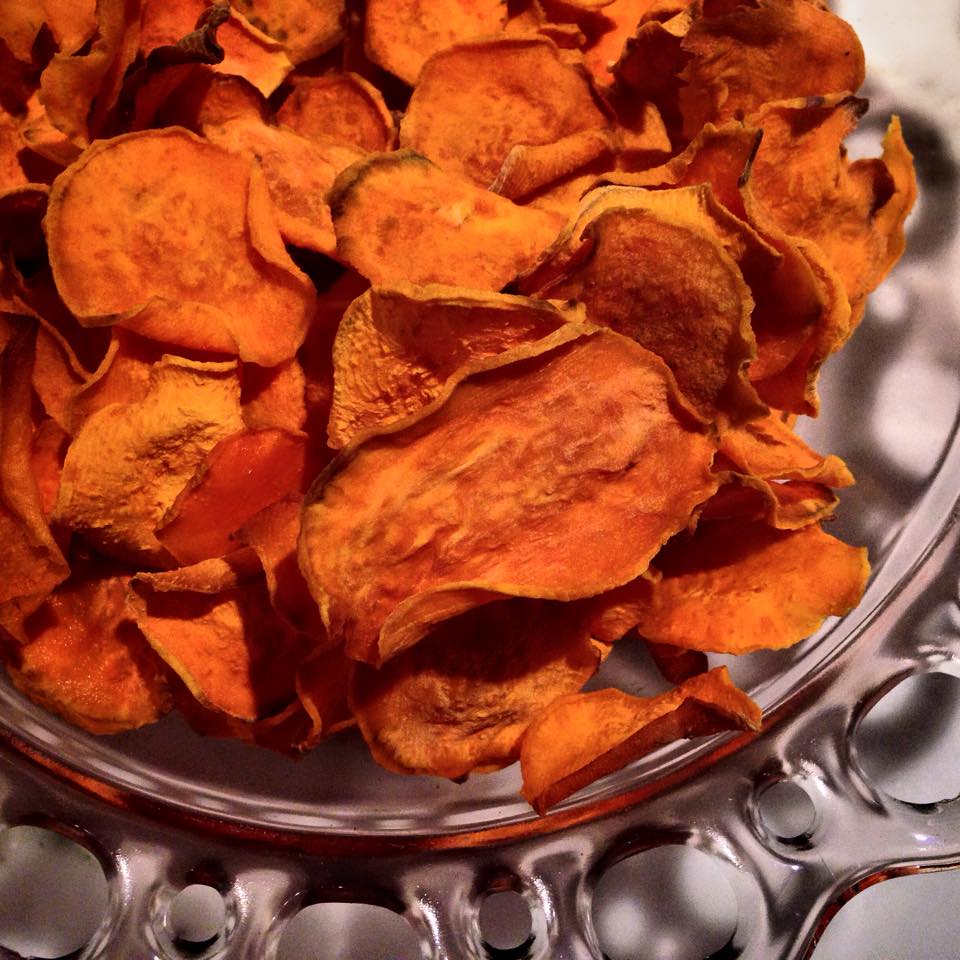
Sweet Potato Chips

  • Preheat oven to 225 degrees
  • Peel and slice thin.
  • Toss sliced sweet potatoes in oil and sea salt
  • Bake for approximately 1hr 45 minutes

Dear Mom…Please stop calling me Buddy

Dear Mom picture

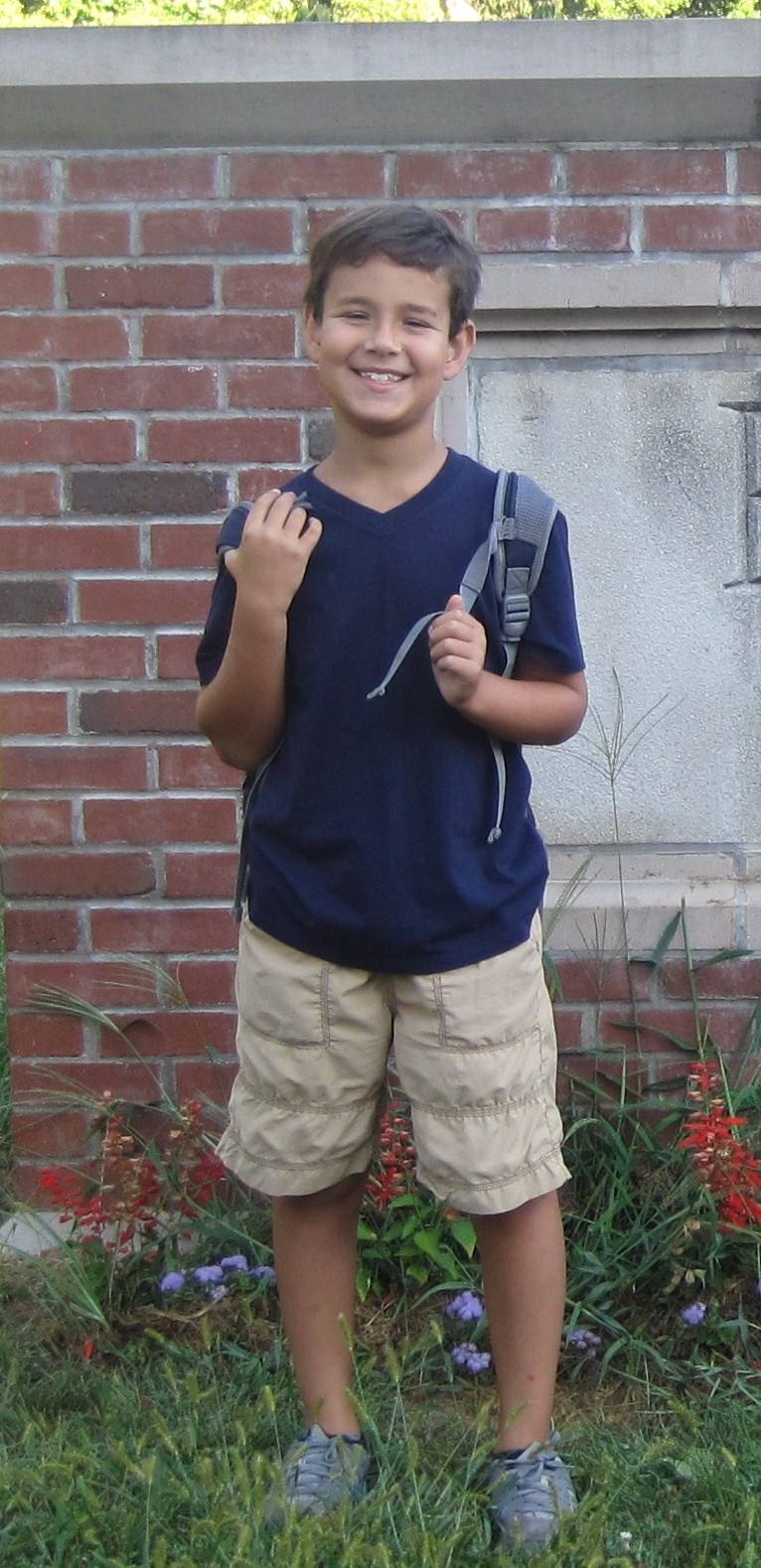
Dear Mom,

Please stop calling me Buddy.  I don’t like it.

At first, I was afraid to say anything because you’ve used the nickname since I was little.  Now I’m 9 ½ and Buddy sounds weird.  It’s embarrassing.

I was also worried I would hurt your feelings.  You always seem so excited to call me Buddy.  I can tell it means a lot to you.  I think you think calling me Buddy automatically brings us closer together.

It really doesn’t.

I know you love me when you sing to me in the morning, sneak a hug and a kiss on the corner before school, helped me wash the toenail out of my eye after it shot up off the clipper, taught me how to follow my basketball shot, pay me allowance, cook me perfect pasta, and stay for a cuddle talk at tuck in.

Like you always say, “Actions speak louder than words.”

Another thing; why do you call me Buddy when you’re mad?  Buddies are supposed to make each other happy, but every time you say

“Shut the Wii U off now, Buddy.”

“It’s late, Buddy.  Go back to bed.”

“Buddy come on, you left the student planner in your desk, again?”

with a growl or snake-eyed glare, I only feel scared and to be honest, a little angry myself.  The whole thing doesn’t make sense.

Know what else?  I like my name.  I like when you say my name.  I remember the story of how I got it.  You decided in eighth grade that if you ever had a son you would name him after your grandfather.  And you did.  So why don’t you use it?  You wouldn’t like it very much if I called you Red instead of Mom.  That’s not respectful.

The definition of Buddy is “a close friend.”   For real.  I Googled it.

Mom, I have friends.  I wasn’t a natural at making friends, but you showed me how to introduce myself, share, and speak up.  And when I felt shy about joining classmates in the block center or had a hard time sitting at a crowded snack table in preschool, you got me a helper teacher.  Now I’m good.

William from the baby playgroup, the kids in my class, the boys I have snowball fights with on the walk home from school, and the guys from my team; these are my buddies.

The ladies you meet for lunch and a chit chat, Daddy on date night, and that funny guy who fist pumps and belly dances in an elf hat at CrossFit; those are your buddies.

Maybe when I’m in college or living in my own apartment we will be close friends.

Right now, I need you to be my mom.

So please stop saying Buddy.  I know it’s different and might be a tough habit to break, but you can handle it.

I Love You,

Your son

I never got into the habit of calling my children Buddy.  Bubbe, Big Guy, Skootch, Kiddo, and Bubbeleh yes; but never Buddy.  If I had, I hope that one of them would write me this letter.